



By using our website, you agree to the use of cookies as described in our Cookie Policy
Security System Tips & Info in Fort Worth
Are Automatic Gates in Fort Worth Causing Delays at Your Business?
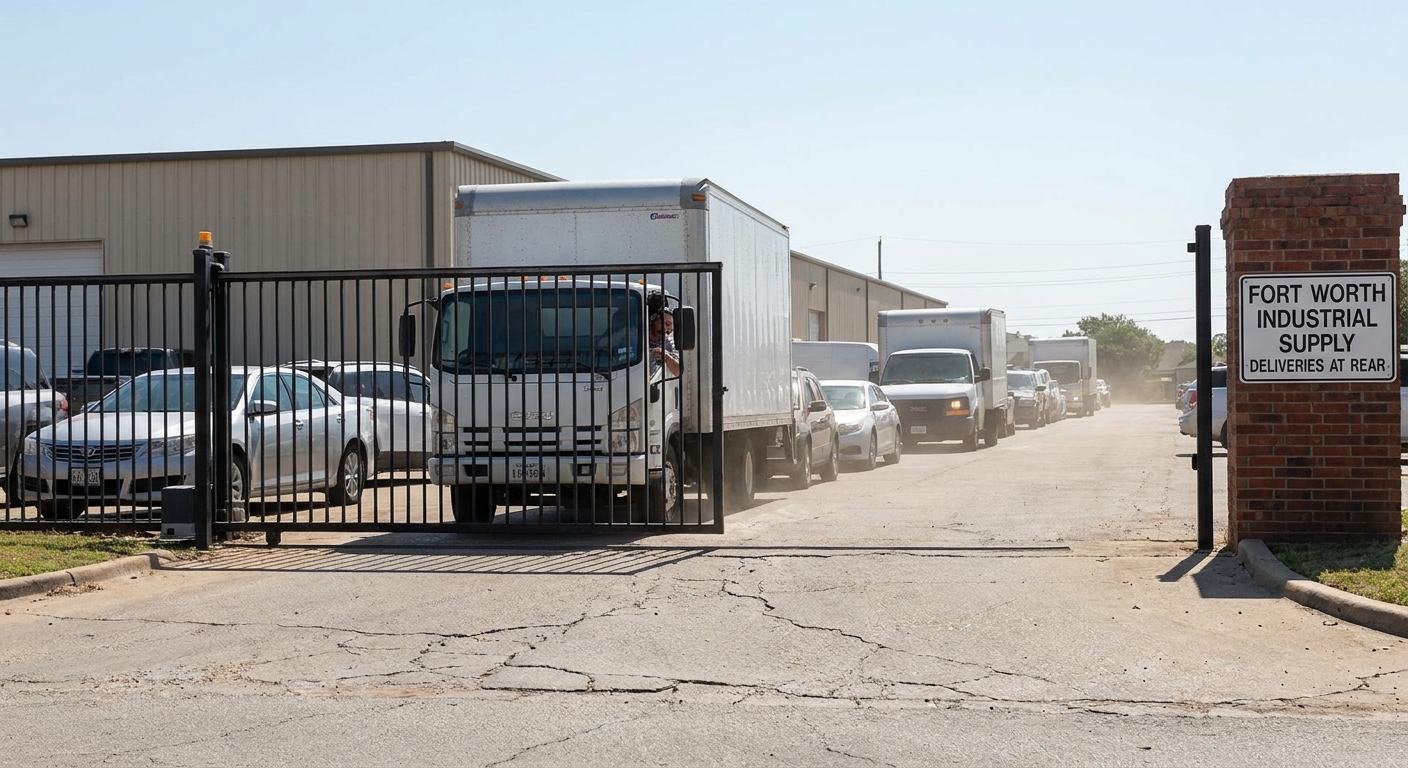
Most business owners see automatic gates as a simple security upgrade. Something that keeps the wrong people out and looks professional doing it. But when that gate starts slowing down your operation — when trucks sit idle at the entrance or customers turn around because they can't get in — you're dealing with more than an inconvenience. You're bleeding time, money, and credibility. Every minute a driver waits is a minute your competitor doesn't have to explain.
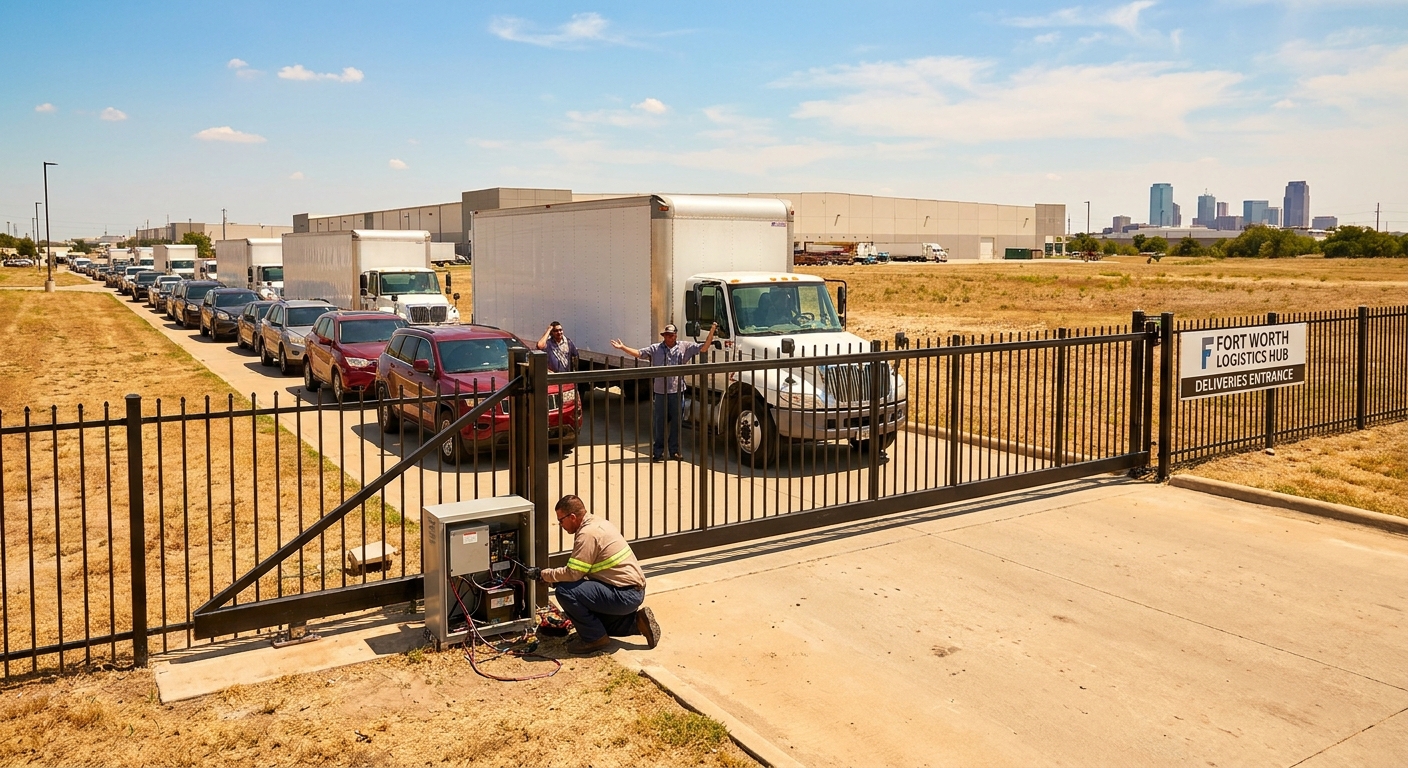
Gates aren't set-it-and-forget-it. They're mechanical systems exposed to weather, traffic, and constant use. And in Fort Worth, where heat cranks up in summer and storms roll through without warning, those systems take a beating. If you're not maintaining them or if they weren't spec'd right in the first place, delays aren't a question of if — they're a question of when.
Why Gates Start Slowing Things Down
Speed matters when you're running a business that depends on flow. Whether it's deliveries, client visits, or employee shifts, a gate that hesitates or stalls creates a domino effect. And the root causes? They're usually predictable.
Worn components are the first culprit. Motors lose torque. Hinges get sticky. Tracks collect debris. Over time, what used to swing open in three seconds now takes eight — and nobody notices until the backup starts. Then there's the electrical side. Sensors drift out of alignment. Wiring corrodes. Control boards glitch when the temperature spikes. One bad connection and your gate's either stuck open or won't budge at all.
- Motors running slower than they should due to age or lack of maintenance
- Sensors misaligned or failing to detect vehicles properly
- Access control systems that lag or reject valid credentials
- Debris or weather damage affecting track and hinge movement
- Outdated systems unable to handle increased traffic volume
What Happens When Access Becomes a Bottleneck
A gate delay doesn't just annoy people. It costs you. Delivery drivers on tight schedules will skip your location if they've been burned before. Customers who can't get in smoothly will assume the rest of your operation is just as clunky. Employees stuck waiting to clock in? That's lost productivity you'll never get back.
If your business depends on logistics — warehouses, distribution centers, manufacturing plants — a malfunctioning gate can ripple through your entire supply chain. Miss one shipment window and you're scrambling to recover. Even in less time-critical industries, repeated access issues chip away at your reputation. Partners start questioning your reliability. Clients wonder if you're cutting corners elsewhere.
The Maintenance Most Businesses Skip
We've seen it over and over. Business owners install a gate, use it daily for years, and never schedule a checkup. Then one day it stops working and they're shocked. But mechanical systems don't run forever without attention.
Regular upkeep keeps small problems from turning into shutdowns. Lubrication prevents friction wear. Sensor calibration ensures accurate detection. Software updates patch bugs before they cause failures. It's not glamorous work, but it's what separates businesses that run smoothly from those constantly putting out fires.
- Lubricating hinges, rollers, and chains to reduce friction
- Checking and tightening electrical connections
- Testing sensors and adjusting alignment as needed
- Cleaning tracks and removing debris buildup
- Updating control software and firmware
When Your Gate Can't Keep Up Anymore
Growth is a good problem to have — until your infrastructure can't handle it. If you installed that gate five years ago when you had ten employees and now you're at fifty, the system wasn't designed for this volume. Peak hours turn into gridlock. Access cards start failing under heavy use. The gate itself just can't cycle fast enough to keep pace.
At that point, patching things up only buys time. You need capacity that matches your current reality. That might mean upgrading to a faster motor, adding a second entry point, or replacing the entire system with something built for higher throughput. It's an investment, but so is every hour your team spends stuck at the gate.
Fort Worth Weather Isn't Doing You Any Favors
Texas weather is relentless. Summer heat warps components. Storms dump water into places it shouldn't go. Wind slams gates against their stops. If your system wasn't installed with local conditions in mind, it's going to struggle.
Weatherproofing isn't optional. Sealed control boxes keep moisture out. Corrosion-resistant hardware holds up under rain. Motors rated for extreme temperatures keep running when cheaper models quit. Cutting corners here means you'll pay later — usually during the worst possible moment.
- Control panels sealed against moisture and dust intrusion
- Hardware treated or coated for corrosion resistance
- Motors rated for high heat and temperature swings
- Drainage systems to prevent water pooling near tracks
- Backup power options for storm-related outages
Why DIY Fixes Usually Make Things Worse
We get it — calling a professional costs money. But trying to fix gate issues yourself often creates bigger problems. Incorrect adjustments throw systems out of balance. Improper repairs void warranties. And if something goes wrong, you're liable for injuries or property damage.
Professional technicians know what to look for. They spot wear patterns before components fail. They diagnose electrical issues without guessing. They have the tools and parts to do the job right the first time. It's not about upselling — it's about keeping your gate operational and safe.
Getting Ahead of the Problem
Smart businesses don't wait for breakdowns. They schedule inspections, track performance trends, and budget for upgrades before they're desperate. That's how you avoid emergency service calls at triple rates. That's how you keep operations running without surprises.
If your gate's been giving you trouble — slow cycles, intermittent failures, access control glitches — address it now. Bring in someone who knows Fort Worth installations and what works in this climate. Get an honest assessment of whether you need repairs or replacement. Then make the call based on what keeps your business moving, not what's cheapest in the moment.
- Schedule annual or biannual professional inspections
- Document all maintenance and repairs for warranty and liability purposes
- Track gate performance metrics to identify trends before failures occur
- Budget for eventual upgrades rather than reacting to breakdowns
- Work with local technicians who understand regional weather challenges
Gates That Work for You, Not Against You
An automatic gate should be invisible when it's working right. Trucks roll through. Employees come and go. Clients arrive without hassle. The moment it becomes a friction point, it's costing you more than you realize.
We've helped businesses across Fort Worth fix gate issues that were dragging down their operations. Sometimes it's a quick repair. Sometimes it's a full system overhaul. Either way, the goal is the same — get your access control running smoothly so you can focus on what actually makes you money. Professional security services ensure your gate system operates reliably. Our doors and door hardware solutions integrate seamlessly with gate systems. For comprehensive security needs, our surveillance systems complement gate installations. You can view our work in our photo gallery. If your gate's causing delays, we'll figure out why and fix it fast. Call us at 877-400-0297 or reach out online to get started.
Let’s Keep Your Business Moving
We know how critical it is for your operation to run without unnecessary slowdowns or headaches at the gate. Let’s work together to make sure your automatic gate is an asset, not a liability. If you’re ready to put delays behind you, give us a call at 888-477-5019 or get a free quote and see how we can help your business stay on track.
‹ Back
Recent Posts
-
Signs Your Fort Worth Business Burglar Alarm Needs an Upgrade
October 6, 2026
-

Access Control Systems in Fort Worth for Managing Employee Entry
September 22, 2026
-

-
-
What Causes Commercial Alarm Systems in Fort Worth to Fail?
August 11, 2026