



By using our website, you agree to the use of cookies as described in our Cookie Policy
Security System Tips & Info in Fort Worth
Is Your Commercial Alarm System in Fort Worth Up to Code?
Most business owners think alarm systems are just about security. Sensors on, sensors off. But the city sees more than that — and if you don't, you're asking for fines. Alarms may keep intruders out, but they also leave a footprint with code enforcement. Especially if you're skipping permits or racking up false dispatches.
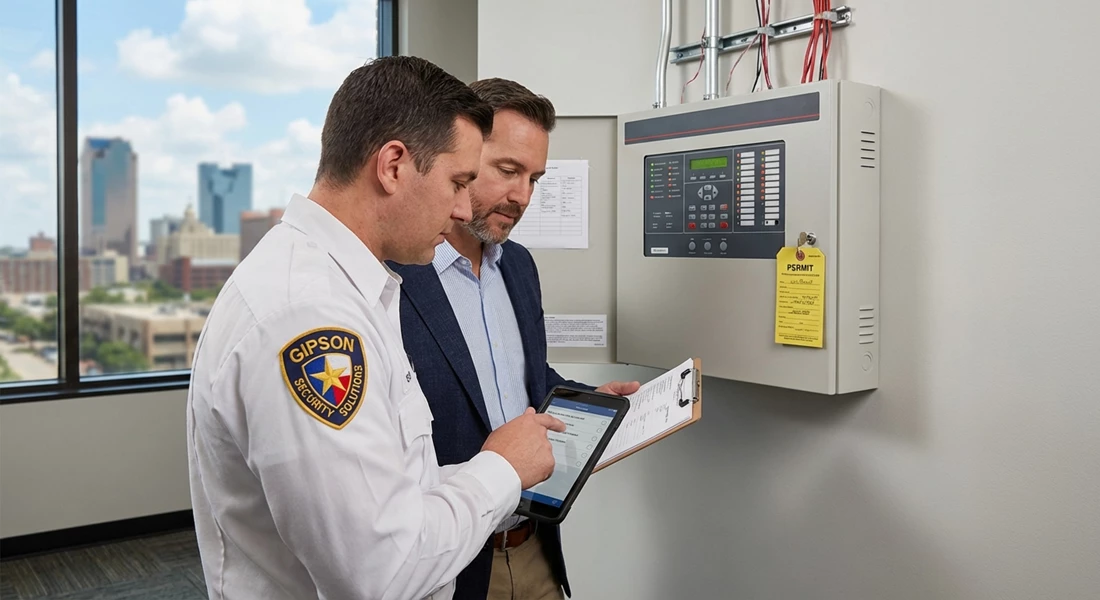
So here's the deal. If you're installing hardware to protect something real, that's smart. Just don't treat those sensors like set-it-and-forget-it equipment. Every panel should have a permit. Every installation needs a licensed pro. And every compliance decision should be grounded in how the system was configured — not just how it looked when the tech walked out.
When a Permit Isn't Optional
Nine times out of ten, commercial alarm systems in Fort Worth require a permit. You install the gear, you register it with the city — that's compliance, not a suggestion. The city doesn't care how much you spent, only whether it's documented and whether you're flooding dispatch with false calls.
But if that permit lapses? Different story. Operating without one can trigger penalties, especially if enforcement didn't catch it during the grace period. We saw this play out in real time with businesses that assumed registration was automatic — it wasn't. And when violations get flagged, the city expects to see proof of renewal unless you meet an exception like recent ownership transfer.
The Standards You Need to Meet
You can't just wire up a panel and call it done — that's asking for trouble. But the installation process? That's where compliance starts. Fort Worth generally requires licensed professionals to handle setup and integration with monitoring services.
Here's where that matters most:
- Alarm permits must be current and tied to the correct business address
- Installation work should be performed by state-licensed technicians who know local codes
- Sensor placement needs to follow fire and safety regulations, not just convenience
- Monitoring companies must be verified and capable of contacting the right emergency contacts
- False alarm thresholds exist, and exceeding them can suspend police response or trigger fees
When Compliance Breaks Down
Want to keep your system active? You'll need to prove it's legitimate — and that you're not wasting city resources.
Fort Worth has three main checkpoints:
- You registered the system with a valid permit
- You maintain it regularly to prevent malfunctions
- You have a formal monitoring relationship, not just a DIY setup with no oversight
Fail one of those, and the protection falls apart. Even if the alarm technically went off. And if any of the sensors are outdated or improperly installed? That portion's a liability too. No partial credit for a motion detector that can't tell a raccoon from a burglar.
False Alarms Carry Real Consequences
If your business has triggered more than a handful of false alarms in a calendar year, there's a penalty structure waiting. Fort Worth enforces limits on how many unverified dispatches you can generate before fees kick in.
You'll need to track incidents and work with your monitoring company to reduce errors. Most small and midsize businesses won't cross that threshold — but those that do need to be proactive. Especially if they're running older equipment or dealing with user error from untrained staff.
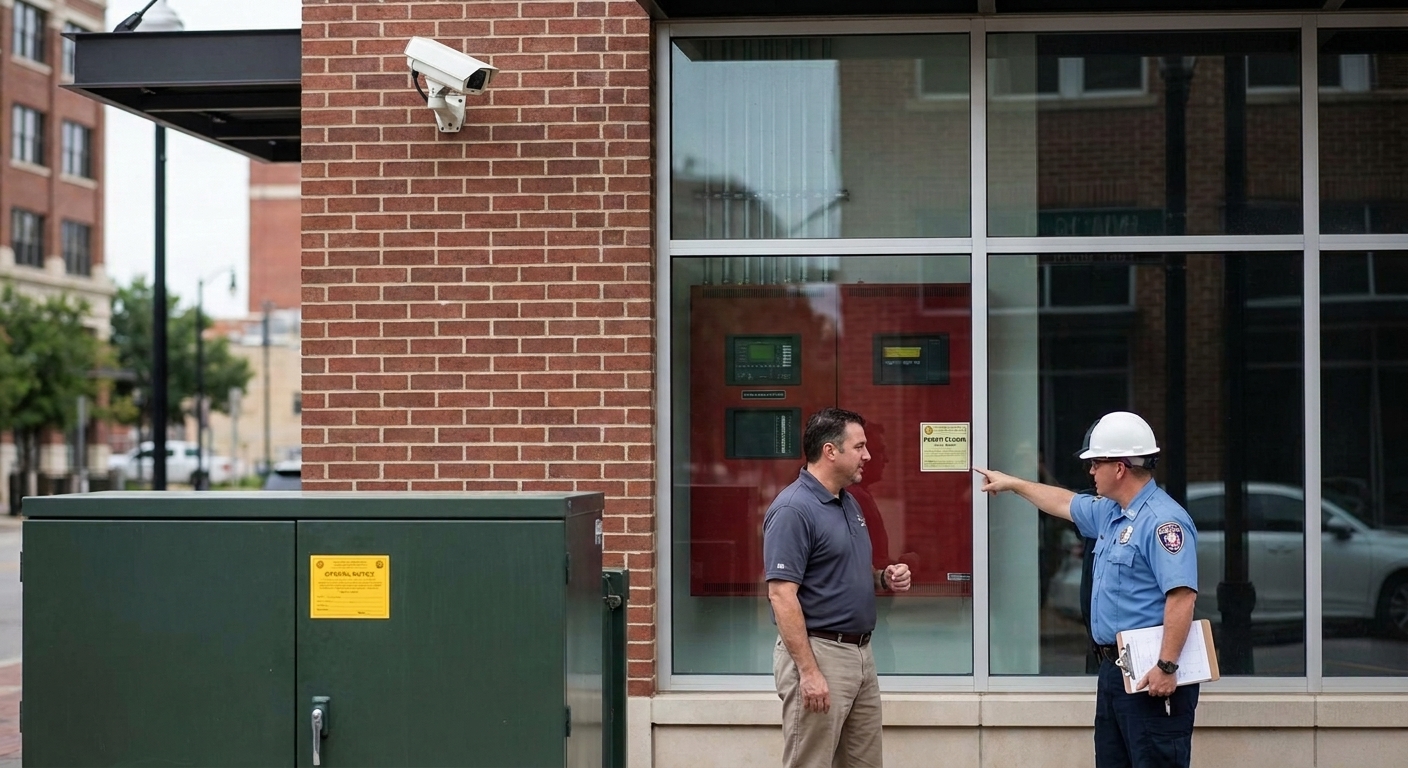
Your Compliance Strategy Is Only As Good As Your Records
Want to avoid violations? Show your work. You'll need more than a receipt from the installer to back up your claims.
Here's what your documentation should include:
- The alarm permit, current and filed with the city
- Installation records showing who did the work and when
- Maintenance logs from your monitoring company or service provider
- Evidence of staff training on proper system use and emergency contacts
If code enforcement comes knocking, they won't just take your word for it. Mixing residential-grade equipment with commercial applications is one of the fastest ways to fail an inspection. So if that panel you bought online is rated for home use, you'd better have a compliance waiver — or a replacement plan.
Where Most Business Owners Slip Up
Trying to skip the permit because you think it's just paperwork? The city won't find that clever. Sloppy registration habits can cost you real money or even raise red flags during inspections. Most business owners play it safe by using certified installers or bringing in a security consultant — and plenty stay on track by following best practices for system upkeep.
Don't wait until inspection time to dig up permits and sort out who installed what. If you miss renewals, you're giving the city an easy target. If you overreport incidents, you risk inconsistencies across your compliance record. Reconcile your alarm activity quarterly. It's tedious. It works.
If you received a violation notice or had a system flagged during a fire inspection, that's a red flag area. If you didn't meet permit criteria — or just didn't file the right paperwork — the city may suspend your monitoring privileges. Reference Fort Worth's alarm ordinance and don't guess. That's what licensed security pros are for.
When to Call In a Pro
If your setup includes multiple zones, integrated fire detection, or anything tied to emergency dispatch, you're in territory where DIY gets risky.
A licensed installer helps you:
- Identify which equipment meets code and which doesn't
- Apply permit requirements correctly based on your property type
- Separate commercial and residential standards cleanly
- Handle false alarm reduction strategies
- Keep code enforcement off your back
It's not just about passing inspection this year. It's about setting up clean habits that keep your business protected and compliant for the long haul. Many businesses benefit from comprehensive access control and surveillance systems that integrate seamlessly with alarm infrastructure. For expert guidance on compliance and installation, contact a qualified security provider.
Security Moves With a Paper Trail
Installing an alarm isn't the hard part. Maintaining it the right way — and defending how you configured it during an audit — that's where businesses get caught off guard. There's no excuse for sloppiness when the compliance path is there for the taking. But there's also no forgiveness when you blow past the rules. Fort Worth enforces its codes, and the businesses that thrive are the ones that treat permits and maintenance like the non-negotiables they are.
Let's Keep Your Business Secure and Compliant
Staying ahead of Fort Worth's alarm system codes doesn't have to be a headache. When we work together, we can make sure your business is protected, your records are in order, and your alarms are always up to code. If you're ready to take the next step, call us at 888-477-5019 or get a free quote and let's get your security handled the right way.
‹ Back
Recent Posts
-

Access Control Systems in Fort Worth for Managing Employee Entry
September 22, 2026
-
-

-

What Causes Commercial Alarm Systems in Fort Worth to Fail?
August 11, 2026
-