



By using our website, you agree to the use of cookies as described in our Cookie Policy
Security System Tips & Info in Fort Worth
What Causes Commercial Alarm Systems in Fort Worth to Fail?
Most Fort Worth business owners assume alarm systems are bulletproof. Install it once, forget about it, and everything's covered. But that's not how security works in the real world. Systems fail — not always because they're bad, but because the infrastructure around them breaks down. Sensors lose sensitivity. Backup power dies. Wiring corrodes in attics where the heat climbs past 130 degrees every summer. And when something goes wrong, you don't find out until after the alarm should have triggered.
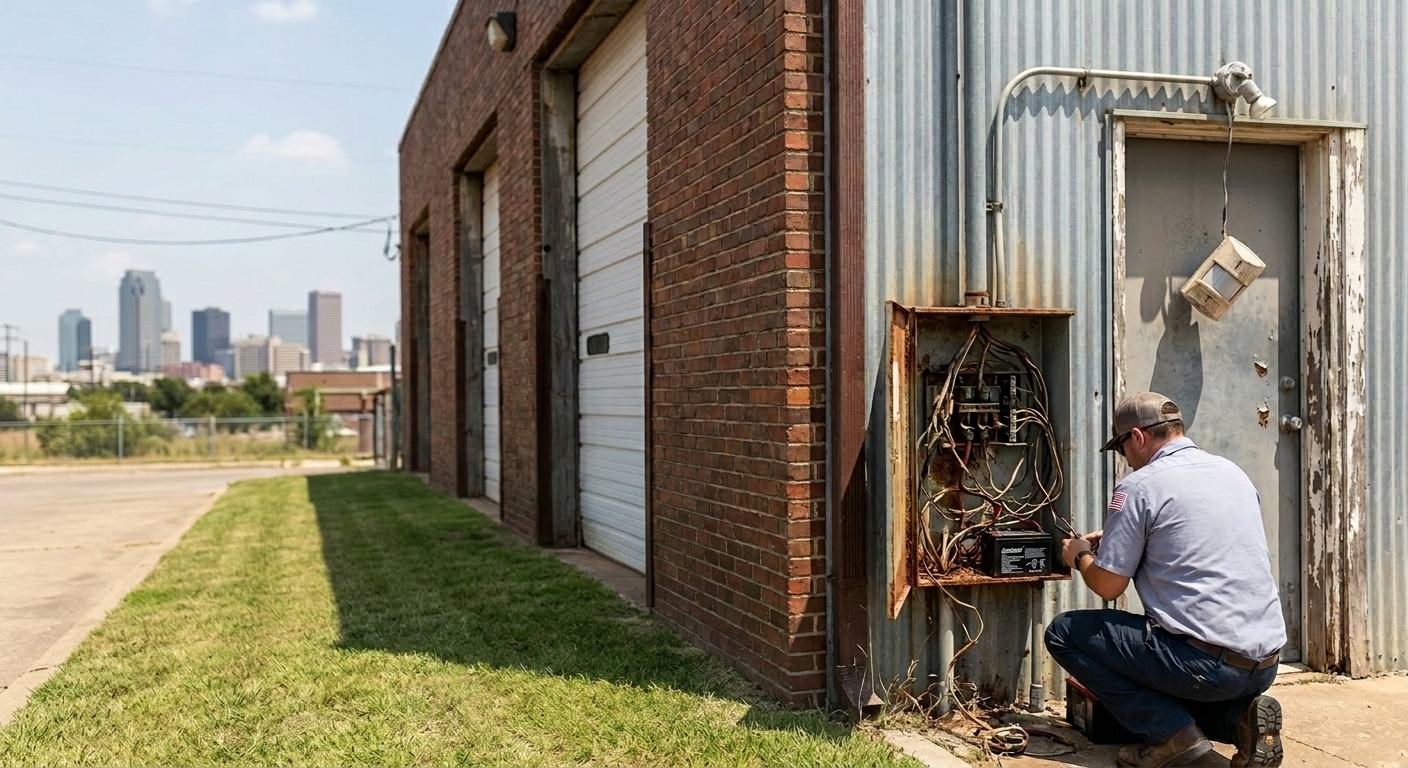
So here's what matters. If you're counting on your alarm to protect inventory, equipment, or critical data, you need to know where vulnerabilities show up — and how to close them. Every system has weak points. The question is whether you're addressing them before they turn into liabilities, or whether you're waiting for a failure to teach you the lesson the expensive way.
Installation That Skips the Details
Bad installation is one of the fastest ways to guarantee your alarm won't perform when it needs to. Sensors mounted in the wrong spots, wiring that wasn't secured properly, control panels placed where they're easy to tamper with — these aren't edge cases. They happen all the time, especially when the installer treats every building like a copy-paste job. Fort Worth properties range from single-story retail strips to sprawling warehouses with loading docks and back entrances. A system that worked in one place won't automatically work in another.
If your installer didn't walk the property with you, didn't ask about entry points or high-risk zones, and didn't test every sensor after the job was done, you're already starting behind. Professional burglar alarm installation isn't a luxury. It's the baseline. And if you went with the lowest bidder without verifying credentials, you've got a system that might look functional but won't hold up under scrutiny.
Maintenance Gets Ignored Until Something Breaks
Alarm systems aren't passive. They need regular checkups to stay sharp. Sensors collect dust. Batteries drain. Contacts loosen. And all of that happens quietly, in the background, until the day someone tries to break in and nothing triggers. Fort Worth's combination of heat, humidity swings, and occasional severe weather accelerates wear on electronic components faster than most people expect.
Without scheduled inspections, minor issues compound. A sensor that's 80 percent effective this year might drop to 50 percent next year, and you won't know until it fails completely. Testing your system quarterly — not just the panel, but every sensor, every contact, every communication path — keeps those failures from sneaking up on you. Most businesses skip this step until something goes wrong. By then, you're not preventing a problem, you're fixing one.
Power Loss Leaves You Exposed
Fort Worth sees its share of power disruptions. Summer storms, grid maintenance, transformer failures — any of these can knock out electricity for hours. If your alarm system doesn't have a reliable backup power source, it goes dark the moment the lights do. And if the backup battery hasn't been replaced in five years? It's probably not holding a charge anymore.
Electrical surges are another risk. A lightning strike doesn't have to hit your building directly to fry sensitive components through the power lines. Surge protection should be standard, not optional. And if your system is hardwired without battery backup, you're gambling that the power will always stay on when it matters most. That's not a bet you want to take.
Old Systems Can't Keep Up
Technology doesn't stand still, and alarm systems that were cutting-edge ten years ago are now outdated. Older panels may not integrate with modern monitoring platforms. Sensors might lack the precision of newer models. Communication protocols could be vulnerable to interference or obsolete entirely. In a city like Fort Worth, where security threats evolve and criminals get smarter, relying on legacy equipment is a risk.
Upgrading doesn't mean ripping everything out. Sometimes it's just the control panel or adding cellular backup to a landline-dependent system. But ignoring the age of your equipment and hoping it keeps working indefinitely is how businesses end up with blind spots they didn't know existed. Evaluate what you've got, compare it to current standards, and close the gaps before someone else finds them first.
When People Forget or Make Mistakes
Human error accounts for more alarm failures than most people realize. An employee rushes out at closing and forgets to arm the system. Someone enters the wrong code three times and locks out the panel. A cleaner accidentally moves a motion sensor and nobody notices. These aren't theoretical — they're daily occurrences in commercial properties across Fort Worth.
Training helps, but only if it's consistent and reinforced. Every employee who opens or closes the building should know how to operate the alarm system correctly. Written protocols matter too, especially if turnover is high. And if your system doesn't log who armed or disarmed it and when, you're missing accountability. Those logs aren't just for audits — they're for catching patterns that indicate someone doesn't understand the system or isn't following procedure.
Communication Breakdown
Alarm systems are only as good as their ability to send alerts. Most rely on phone lines, cellular signals, or internet connections to reach monitoring centers or business owners. If that communication path gets cut — whether by a service outage, damaged cable, or deliberate tampering — the alarm might trigger locally but nobody will know. In Fort Worth, where infrastructure work and utility interruptions happen regularly, this isn't a rare scenario.
- Phone lines can be severed or disrupted by construction and weather events
- Cellular signals may weaken inside metal buildings or below-grade spaces
- Internet connections fail during power outages unless backed by battery or generator
- Monitoring centers need confirmation that your signal is live, not just assumed
- Redundant communication paths reduce the chances of a complete blackout
Environmental Factors Wear Systems Down
Fort Worth's climate isn't gentle on electronics. Summer temperatures in attics and storage rooms can exceed levels that damage circuit boards and degrade battery life. Humidity creates condensation that corrodes contacts. Dust and debris clog sensors and reduce their sensitivity. And rodents? They'll chew through wiring if it's accessible, creating shorts that disable entire zones.
Environmental protection starts with smart placement. Sensors shouldn't be mounted in direct sunlight or areas with extreme temperature swings. Control panels need ventilation and protection from moisture. Wiring should be secured in conduit where pests can't reach it. And regular inspections should include checking for environmental damage — rust, corrosion, nests, or visible wear — before it compromises performance.
- Extreme heat degrades battery capacity and shortens component lifespan
- Moisture accelerates corrosion on metal contacts and circuit boards
- Dust buildup reduces sensor sensitivity and creates false positives
- Rodents and insects can damage wiring and create electrical faults
- Proper mounting locations and protective enclosures extend system life
Tampering Exploits Weak Points
Criminals don't always smash windows and run. Some take time to scout properties, looking for alarm systems with obvious vulnerabilities. Exposed wiring on the exterior. Control panels mounted in accessible closets. Sensors that can be covered or disabled without triggering a tamper alert. If your system has these weak points, it's not a question of whether someone will exploit them — it's when.
Tamper protection should be built into every component. Control panels need enclosures with tamper switches. Wiring should run inside walls or conduit. Sensors should be mounted high enough to prevent casual interference. And if your system doesn't log tamper attempts, you're missing warning signs that someone's already testing your defenses. Security isn't just about detecting breaches — it's about making your system hard to disable in the first place.
- Exposed wiring gives intruders an easy way to cut power or signals
- Control panels in unlocked rooms can be disarmed before entry
- Sensors without tamper detection can be covered or repositioned unnoticed
- Visible system components telegraph weak points to observant criminals
- Tamper logging creates a record of interference attempts for review
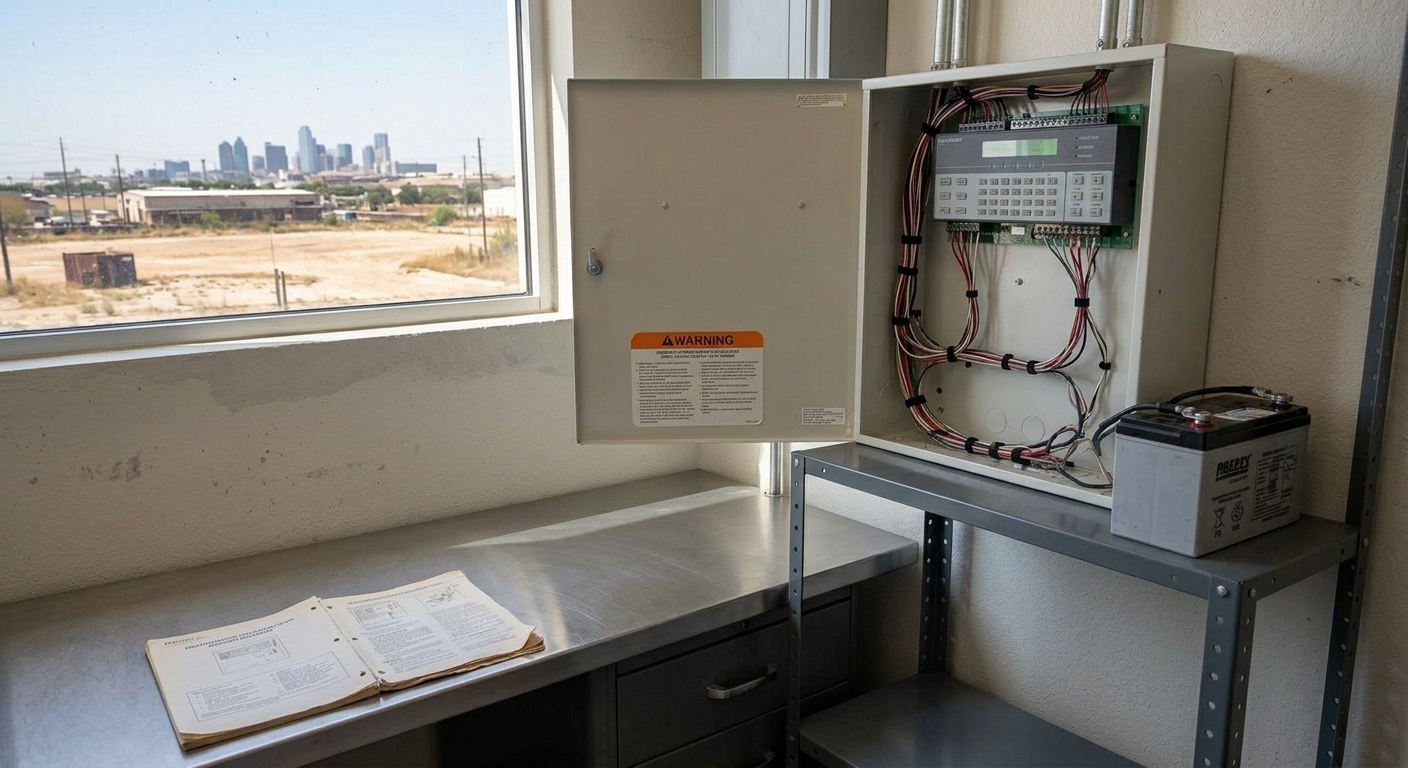
Common Oversights That Cost Businesses
Some failures aren't about hardware — they're about assumptions. Business owners assume their system is working because it hasn't gone off. They assume batteries are fine because the panel doesn't show an error. They assume communication is live because they haven't heard otherwise. And those assumptions create gaps that only show up when the alarm should have triggered and didn't.
Regular testing closes those gaps. Trigger sensors deliberately. Verify that alerts reach the monitoring center. Replace batteries on schedule, not when they die. And document everything, because if the IRS or your insurance company ever asks for proof that your security was functional, "we thought it was working" won't hold up.
- Sensors can fail gradually without obvious symptoms until tested
- Batteries lose capacity over time even when the panel shows no warning
- Communication paths can break silently without triggering error codes
- Monitoring centers may stop receiving signals without notifying you first
- Documentation proves your system was maintained and functional when needed
What Happens When You Skip Professional Support
DIY troubleshooting works for simple fixes — replacing a battery, resetting a panel. But complex issues need expert attention. Intermittent faults, communication errors, zone failures that don't follow obvious patterns — these require diagnostic tools and experience that most business owners don't have. And if you're guessing, you're wasting time and money on parts and fixes that might not solve the problem.
Professional security support services aren't just about repairs. It's about identifying vulnerabilities before they turn into failures. It's about upgrading components that are nearing end-of-life. It's about integrating new technology without disrupting the rest of your system. And it's about having someone accountable when something goes wrong, instead of pointing fingers at the guy who installed it five years ago and disappeared.
- Intermittent faults require diagnostic equipment to trace root causes
- Professionals identify end-of-life components before they fail completely
- System upgrades need compatibility checks to avoid creating new problems
- Service agreements provide accountability and faster response times
- Expertise prevents costly trial-and-error fixes that don't address real issues
Security That Holds Up Under Pressure
Alarm systems fail when installation cuts corners, maintenance gets postponed, power isn't backed up, technology falls behind, users make mistakes, communication drops, environments degrade components, or criminals find weak points. None of these are mysteries. They're predictable, preventable, and fixable — if you're proactive instead of reactive. Fort Worth businesses that treat security like an ongoing responsibility, not a one-time purchase, are the ones that stay protected when it matters.
You don't need a perfect system. You need one that's installed correctly, maintained regularly, tested consistently, and upgraded when necessary. That's not complicated, but it does require attention. If you're ready to strengthen your commercial security services, working with experienced professionals who understand access control systems, surveillance systems, and locksmith services ensures your property stays protected when it matters most.
Let’s Secure Your Business the Right Way
We know how much is riding on your alarm system, and we’re here to make sure it never lets you down. If you want confidence that your security is up to the challenge, let’s talk about how we can help you close the gaps and keep your business protected. Call us at 888-477-5019 or get a free quote today and let’s build a safer future for your Fort Worth business together.
‹ Back
Recent Posts
-

Access Control Systems in Fort Worth for Managing Employee Entry
September 22, 2026
-
-

-
What Causes Commercial Alarm Systems in Fort Worth to Fail?
August 11, 2026
-