



By using our website, you agree to the use of cookies as described in our Cookie Policy
Security System Tips & Info in Fort Worth
When Rekeying a Lock Makes More Sense Than Replacing It
Most property owners think locks are just about keeping people out. Turn the key, hear the click, move on. But security isn't that simple — and if you treat every lock problem like it needs a full replacement, you're wasting money. Rekeying exists for a reason. It's faster, cheaper, and in most cases, just as effective. The trick is knowing when it's the right call and when you actually need new hardware.
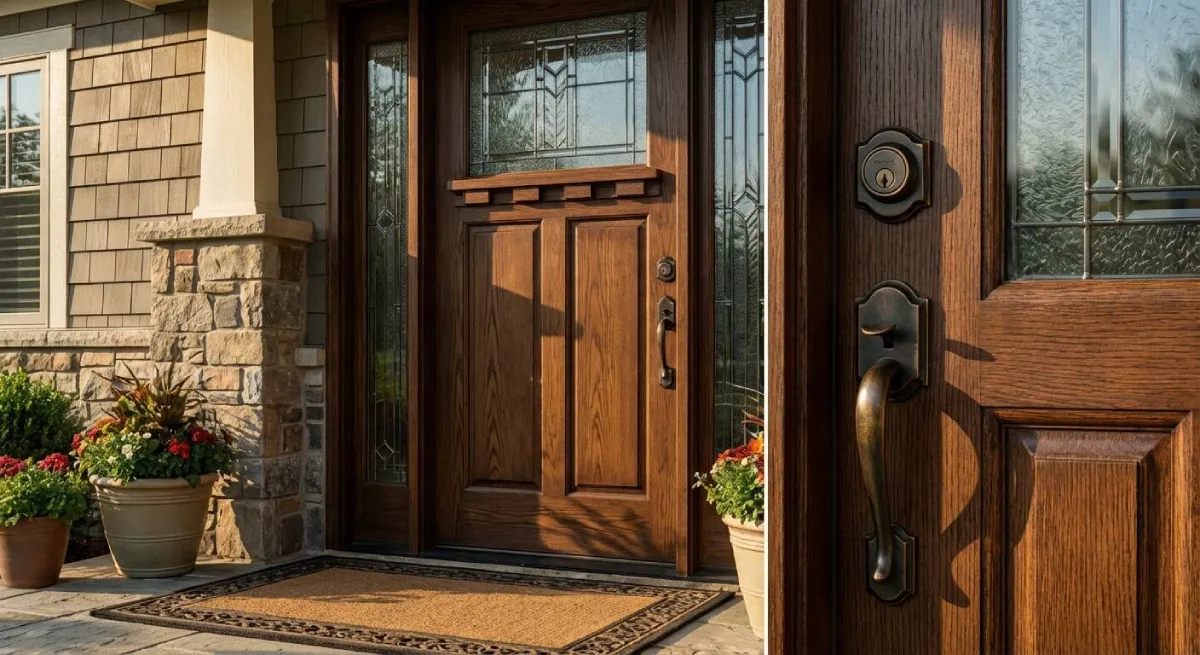
So here's what matters. If your lock still works and the metal isn't compromised, rekeying probably solves your problem. You're not paying for new cylinders, new finishes, or new installation labor. You're just changing who has access — and that's usually all you need. But if the mechanism is shot or you're upgrading to something smarter, replacement makes sense. The decision comes down to function, not fear.
What Rekeying Actually Does
Rekeying doesn't touch the outside of your lock. The hardware stays put. What changes is the pin configuration inside the cylinder — the part that decides whether a key works or doesn't. A locksmith pulls the lock, swaps out the pins, and cuts a new key to match. Your old keys stop working. Your new one slides right in.
It's not magic. It's mechanics. And it works on most standard locks as long as the cylinder is still in decent shape. If the lock's been beaten up or corroded, rekeying won't fix that. But if it's just a matter of control — who gets in and who doesn't — this is the move.
You've Moved and the Keys Are a Mystery
New place, old locks, and no idea how many copies are floating around. That's the reality for most people who buy or rent. Previous owners, contractors, cleaners, property managers — any of them could still have a key. And you'll never know until someone walks in uninvited.
Rekeying wipes the slate. It doesn't matter how many copies exist because none of them work anymore. You get a fresh set, and you're the only one holding them. It's the cleanest way to take control without ripping out perfectly good hardware.
Lost Keys Don't Have to Mean New Locks
Lose your keys and the panic sets in. Who found them? Do they know where you live? Can they get in? The instinct is to replace everything. But unless the lock itself is damaged, that's overkill.
Rekeying solves the problem in one visit. The old key becomes useless. The new one works. And you're back to secured you're back to secure without spending hundreds on hardware you didn't need to replace. It's the difference between a quick fix and an expensive overreaction.
Employee Turnover Means Key Turnover
Businesses deal with this constantly. Someone leaves — voluntarily or not — and they still have keys. Maybe they return them. Maybe they don't. Either way, you can't be sure who made copies or where those copies ended up.
Rekeying gives you certainty. Every lock gets a new pin set, every key gets replaced, and the old ones stop working. It's faster than replacing dozens of locks across a building, and it's a fraction of the cost. For offices, warehouses, or retail spaces, it's the standard move after any staffing change that involved key access.
Matching Everything to One Key
Carrying five keys for five doors is annoying. Rekeying lets you fix that. A locksmith can reconfigure multiple locks so they all respond to the same key — as long as the locks are compatible brands and models.
This works great for:
- Front and back doors on a home
- Multiple units in a rental property
- Office suites with shared access points
- Storage areas and side entrances
- Garage and exterior gates
You're not buying new locks. You're just aligning what you already have. It's convenient, it's clean, and it makes daily access a lot simpler.
Budget Constraints Make the Decision Easy
Rekeying costs a fraction of what replacement does. You're paying for labor and a few small parts — not new cylinders, new finishes, or new installation. If your locks still function and you're happy with how they look, there's no reason to spend more.
This matters most when you're dealing with:
- Multiple doors that all need attention
- Tight timelines where you need security restored fast
- Properties where aesthetics and hardware style are already set
- Situations where the lock itself isn't the problem — access control is
- Rental properties where you're managing costs across several units
Spending smart doesn't mean cutting corners. It means knowing when the cheaper option is also the right one.
When Replacement Actually Makes Sense
Rekeying isn't always the answer. If the lock is old, sticky, or falling apart, swapping the pins won't help. If you're upgrading to smart locks, high-security deadbolts, or something with a different finish, you'll need new hardware.
Replace when:
- The lock is visibly damaged or doesn't latch properly
- You're switching to electronic or keyless entry
- The cylinder is worn out and keys don't turn smoothly
- You want a different style or finish to match your door
- The lock was forced during a break-in and the mechanism is compromised
In those cases, rekeying won't solve the underlying issue. You need new parts, not just new pins. For comprehensive security upgrades, consider exploring professional security services that can assess your entire property.
The Process Takes Minutes, Not Hours
A locksmith can rekey a standard lock in under 20 minutes. They remove the cylinder, swap the pins, cut a new key, and reinstall. No drilling. No patching. No damage to your door or frame.
If you've got multiple locks, the job scales quickly. Five locks might take an hour. Ten might take two. Either way, it's faster than ordering new hardware, waiting for delivery, and scheduling installation. And you're not left with a door that won't lock while you wait.
Control Without Complications
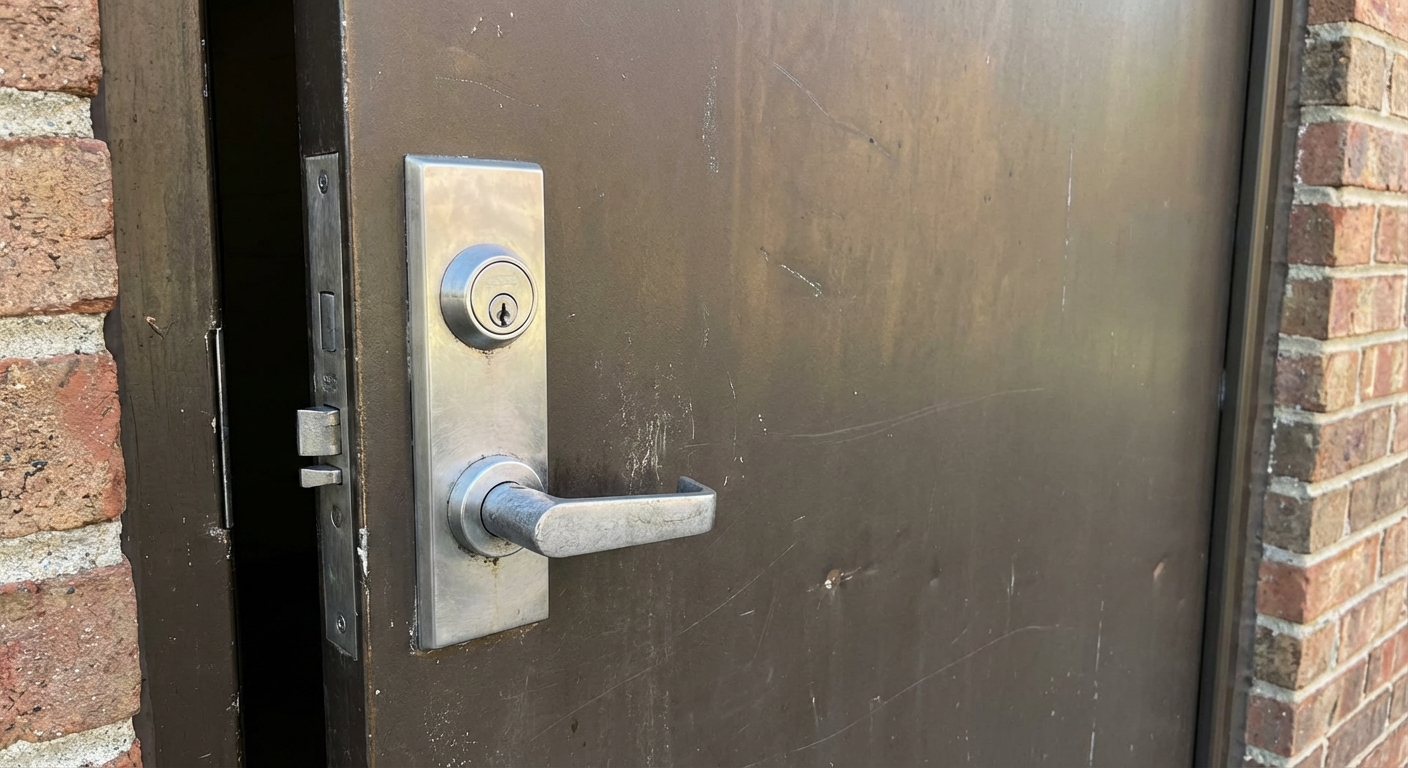
Rekeying gives you exactly what you need when security is about access, not equipment. You're not guessing who has keys. You're not hoping old copies don't work. You're resetting the system with a clear paper trail and a locksmith who documents what was done.
It's the move that makes sense when your locks are fine but your control isn't. And in most cases, that's exactly where the problem lives. Don't replace what doesn't need replacing. Rekey what needs resetting. The difference is real — and so is the savings. For expert guidance on your specific security needs, contact a trusted security professional today.
Ready to Regain Control?
We know how important it is to feel secure in your own space without overspending on unnecessary hardware. If you're ready to simplify your security and make sure only the right people have access, let's talk about the best rekeying options for your property. Call us at 888-477-5019 or get a free quote and let’s get your locks working for you, not against you.
‹ Back
Recent Posts
-
Signs Your Fort Worth Business Burglar Alarm Needs an Upgrade
October 6, 2026
-

Access Control Systems in Fort Worth for Managing Employee Entry
September 22, 2026
-

-

-

What Causes Commercial Alarm Systems in Fort Worth to Fail?
August 11, 2026