


By using our website, you agree to the use of cookies as described in our Cookie Policy
Security System Tips & Info in Fort Worth
Why Structured Cabling Is So Important for Modern Security Systems
Most security installations focus on cameras and sensors. The hardware gets all the attention. But the wiring behind it? That's where systems either hold up or fall apart. You can drop serious money on high-end surveillance systems and access control, but if the cabling underneath is a mess, you're building on sand. Modern security demands more than just devices that work—it needs infrastructure that won't quit when it matters most.
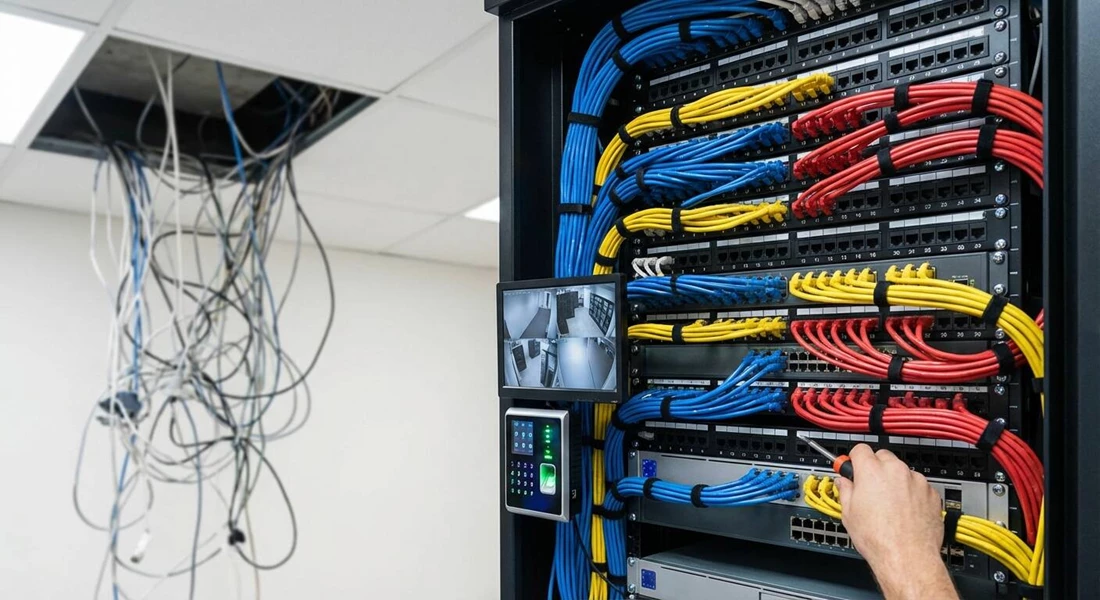
So here's what we know. If you're rolling out cameras, alarms, or biometric readers, the backbone matters as much as the tech itself. Every connection should be clean. Every cable should be labeled. And every decision about how you wire the system should be grounded in what happens when you need to scale, troubleshoot, or upgrade—not just what looks good on install day.
The Backbone That Keeps Everything Running
Security systems don't get days off. They run around the clock, and any hiccup can leave a blind spot or a door unlocked. Structured cabling gives you a foundation that doesn't flake out under pressure. Instead of tangled runs and improvised connections, you get organized pathways that support every camera, sensor, and control panel without interference or signal drop.
When the infrastructure is solid, the system performs. No mysterious outages. No flickering feeds. Just consistent operation that lets you focus on what the security tech is supposed to do—protect the property.
Growth Doesn't Have to Mean Chaos
Security needs shift. You add more cameras. You upgrade to higher resolution. You integrate new access points or analytics software. If your cabling wasn't built with expansion in mind, every change becomes a project. Structured cabling flips that script. Because the system is standardized and documented, adding devices or swapping out hardware doesn't require ripping walls open or rewiring from scratch.
That flexibility matters most when you're scaling fast or adapting to new threats. The infrastructure bends without breaking, and your security posture stays intact even as the tech evolves.
Upfront Investment Pays Off Long Term
Yes, structured cabling costs more at the start. But the alternative—patching together point-to-point runs and hoping for the best—ends up costing way more down the line. Maintenance gets expensive when nobody knows where cables go. Troubleshooting takes forever when there's no labeling. And upgrades turn into full rewires when the original setup was never designed to last.
With structured cabling, you cut those hidden costs. Technicians can diagnose issues faster. Expansions are predictable. And the system stays manageable year after year, which means fewer emergency calls and less downtime.
What Proper Cabling Delivers
When you commit to doing it right, the benefits stack up fast. Here's what structured cabling brings to the table:
- Reliable signal transmission with minimal interference or loss
- Clear documentation that makes troubleshooting straightforward
- Scalability that supports future devices without major overhauls
- Reduced maintenance costs thanks to organized, accessible infrastructure
- Compliance-ready setup that meets industry standards and audit requirements
Compliance and Documentation Aren't Optional
If you're in a regulated industry or dealing with sensitive data, your cabling setup needs to meet specific standards. Structured cabling gives you the traceability and organization required to pass audits and demonstrate compliance. Every cable is labeled. Every connection is documented. And when inspectors come knocking, you've got the proof they need.
Beyond compliance, that level of organization also protects against tampering or accidental disconnections. Cables are routed securely, not draped across ceilings or stuffed behind panels where anyone can mess with them. It's a layer of security that goes beyond the devices themselves.
Safety and Aesthetics Both Matter
Messy cabling isn't just ugly—it's a hazard. Loose cables create tripping risks. Overloaded conduits can spark fires. And in professional environments, visible cable chaos sends the wrong message about how seriously you take operations. Structured cabling keeps everything bundled, routed, and out of sight. The result is a cleaner workspace, fewer safety incidents, and a setup that looks as professional as it performs.
This is especially critical in high-traffic areas or client-facing spaces where appearance matters. Nobody wants to see a rat's nest of wires hanging from the ceiling, and nobody should have to navigate around cables on the floor.
Common Mistakes That Undermine Security Infrastructure
Even with the best intentions, installations can go sideways. Here's where most setups fall short:
- Skipping documentation and labeling, which turns troubleshooting into guesswork
- Using low-grade cables that can't handle the bandwidth or distance requirements
- Mixing cable types without a clear plan, leading to compatibility issues
- Ignoring future expansion needs and locking yourself into a rigid setup
- Failing to test connections before closing up walls or ceilings
Why Future-Proofing Isn't Just Buzzword Talk
Technology moves fast. The cameras you install today might be outdated in five years. Access control systems evolve. Data rates climb. If your cabling can't keep up, you're stuck ripping everything out and starting over. Structured cabling is built to handle not just current demands but also what's coming next. Higher resolutions. More devices. Faster data transfer. The infrastructure supports it all without needing a complete overhaul.
That's the difference between a system that ages gracefully and one that becomes a liability. When you invest in quality cabling now, you're protecting that investment for the long haul—and avoiding the headache of premature replacements.
Key Components of a Solid Cabling System
Building a structured cabling setup means getting the details right. Here's what should be in place:
- High-quality cables rated for the distances and data loads your system requires
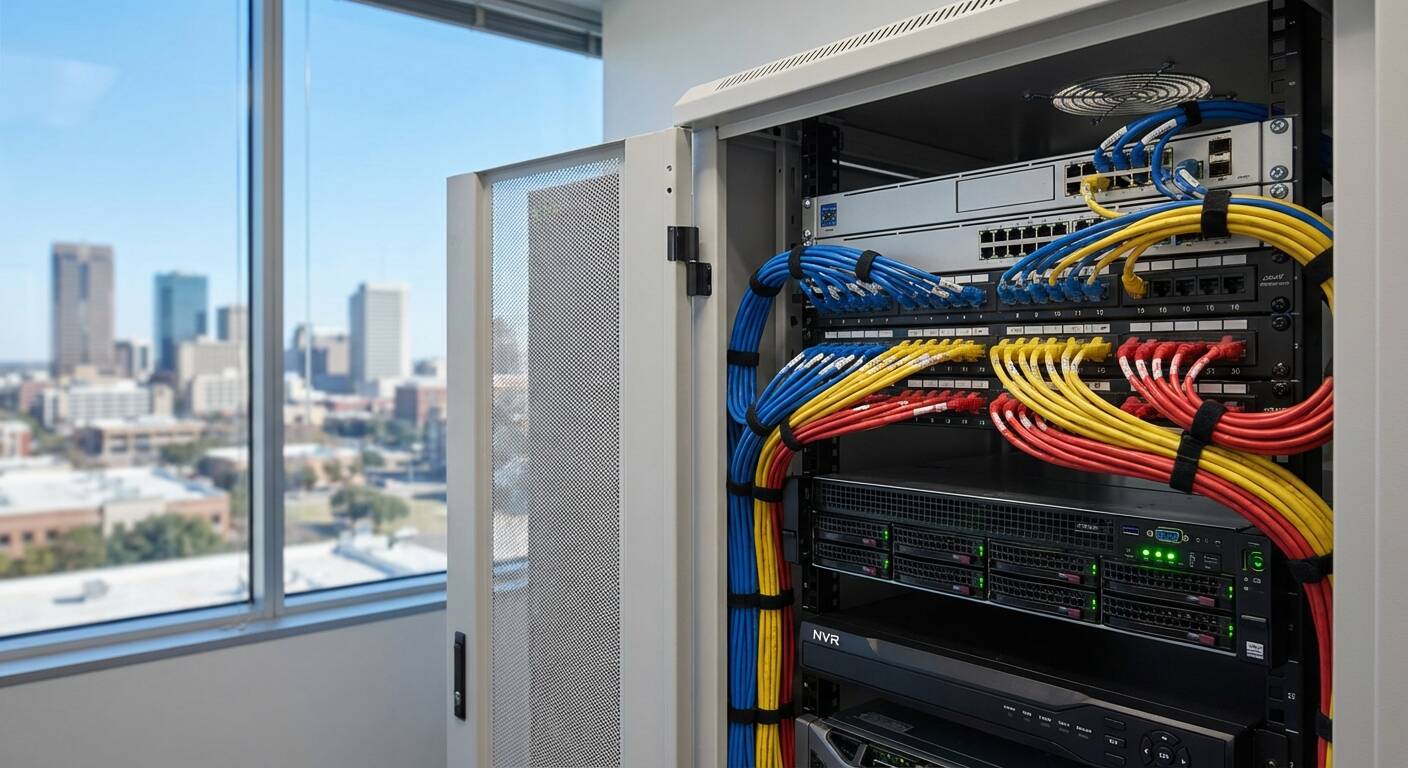
- Patch panels and racks that organize connections and simplify management
- Clear labeling on every cable and port for fast identification
- Proper cable management hardware to keep runs neat and secure
- Testing and certification to confirm performance before the system goes live
When to Bring in the Experts
If your security system involves multiple buildings, dozens of cameras, or integration with other networks, DIY cabling becomes a gamble. A professional installer brings the experience to design a system that meets your needs today and adapts to tomorrow. They know how to route cables for optimal performance, avoid interference, and document document everything so future techs aren't flying blind.
It's not just about getting wires from point A to point B. It's about building an infrastructure that supports your security goals without creating new problems down the line. That's where expertise pays off.
What Happens When You Skip the Basics
Cutting corners on cabling might save time upfront, but it costs you later. Systems fail at the worst moments. Troubleshooting takes hours instead of minutes. Upgrades turn into full rewires. And when something goes wrong, you're left scrambling to figure out which cable goes where—or worse, discovering that the cables themselves are the problem.
We've seen it happen too many times. A business invests in top-tier cameras and sensors, then wonders why the system is unreliable. Nine times out of ten, the issue traces back to sloppy cabling. No amount of high-end hardware can compensate for a weak foundation.
Critical Elements That Can't Be Overlooked
Before you finalize any security installation, make sure these boxes are checked:
- Cable runs are tested and certified to meet performance standards
- All connections are documented with clear labels and diagrams
- The system is designed with room for expansion and future upgrades
- Cables are routed to avoid interference from electrical lines or other sources
- Backup pathways are in place for critical connections
Building Security That Lasts
Installing cameras and sensors is the easy part. Making sure they stay operational, scalable, and reliable—that's where structured cabling makes the difference. It's the unglamorous work that nobody notices until something breaks. But when it's done right, you get a system that performs year after year, adapts to new technology, and doesn't turn into a maintenance nightmare.
Security isn't just about the devices you deploy. It's about the infrastructure that keeps them running when it counts. Structured cabling gives you that foundation—and the confidence that your system won't let you down. For comprehensive security services that include professional cabling infrastructure, proper planning ensures your investment delivers long-term protection. If you're ready to build a security system on solid ground, contact us to discuss your specific needs and get expert guidance on creating a reliable, scalable solution.
Let’s Secure Your System the Right Way
We know that a dependable security setup starts with the right cabling. If you want a system that’s built to last and ready for whatever comes next, let’s talk about how we can help. Call us at 888-477-5019 or get a free qote—together, we’ll make sure your security infrastructure is as strong as your peace of mind.
‹ Back
Recent Posts
-

-

-

What Causes Commercial Alarm Systems in Fort Worth to Fail?
August 11, 2026
-

-