


By using our website, you agree to the use of cookies as described in our Cookie Policy
Security System Tips & Info in Fort Worth
How Secure Are Your Fort Worth Commercial Safes & Vaults?
Most Fort Worth business owners think a safe is just a metal box with a lock. Something you bolt down, load up, and forget about. But security isn't static — and if you're not paying attention to how your vault actually performs under pressure, you're gambling with more than just inventory. Safes and vaults don't just sit there looking intimidating. They either hold up when tested, or they don't. And the difference comes down to construction, access control, and whether you're still running equipment from 2005.
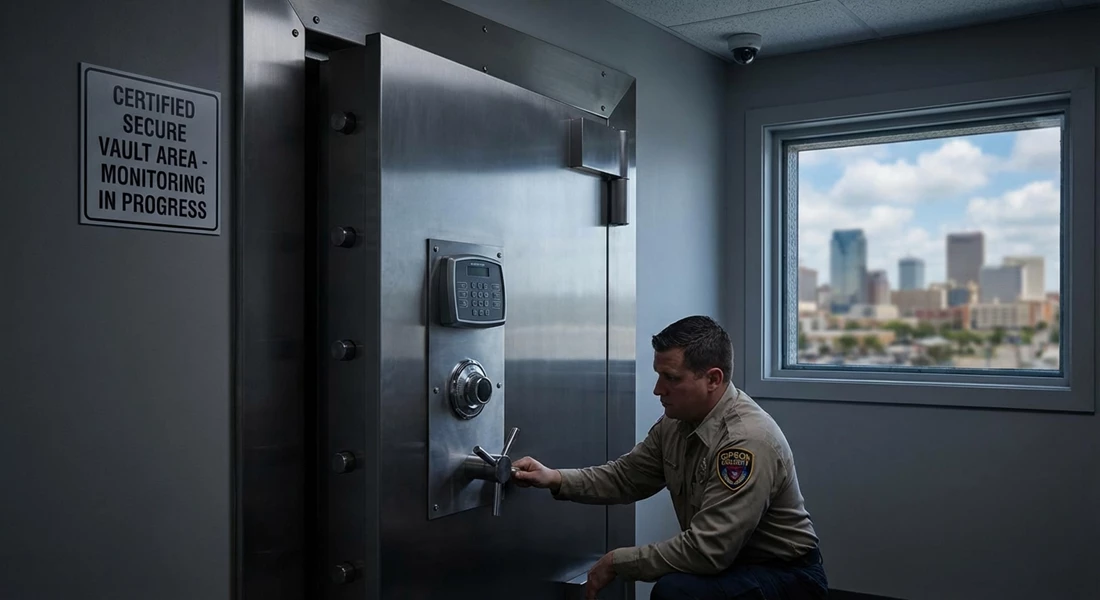
So here's the reality. If you're storing cash, documents, or anything that could sink your operation if it walked out the door, that container better be more than decorative. Every lock should be current. Every entry point needs monitoring. And every security decision should be based on what actually stops a breach — not what looked good in the catalog.
What You're Actually Protecting Against
Theft isn't the only threat. Fire, water, forced entry, and even internal access issues can compromise what you've locked away. Fort Worth businesses face a mix of risks depending on location, industry, and how visible their assets are. A vault that works for a jewelry store won't cut it for a data center. And a fireproof safe that can't handle a pry bar isn't doing half its job.
The best setups account for multiple failure points. That means thinking beyond the door and considering what happens if someone has time, tools, or inside knowledge. Most breaches don't happen in sixty seconds. They happen because the safe wasn't rated for the threat, wasn't installed correctly, or wasn't monitored at all.
Construction Tells You Everything
You can't fake good construction. Thin steel, hollow doors, and basic locks might keep out opportunists, but they won't stop anyone with a plan. The safes that actually perform are built with reinforced plates, anti-drill hardening, and relockers that trigger if someone tries to punch through the mechanism.
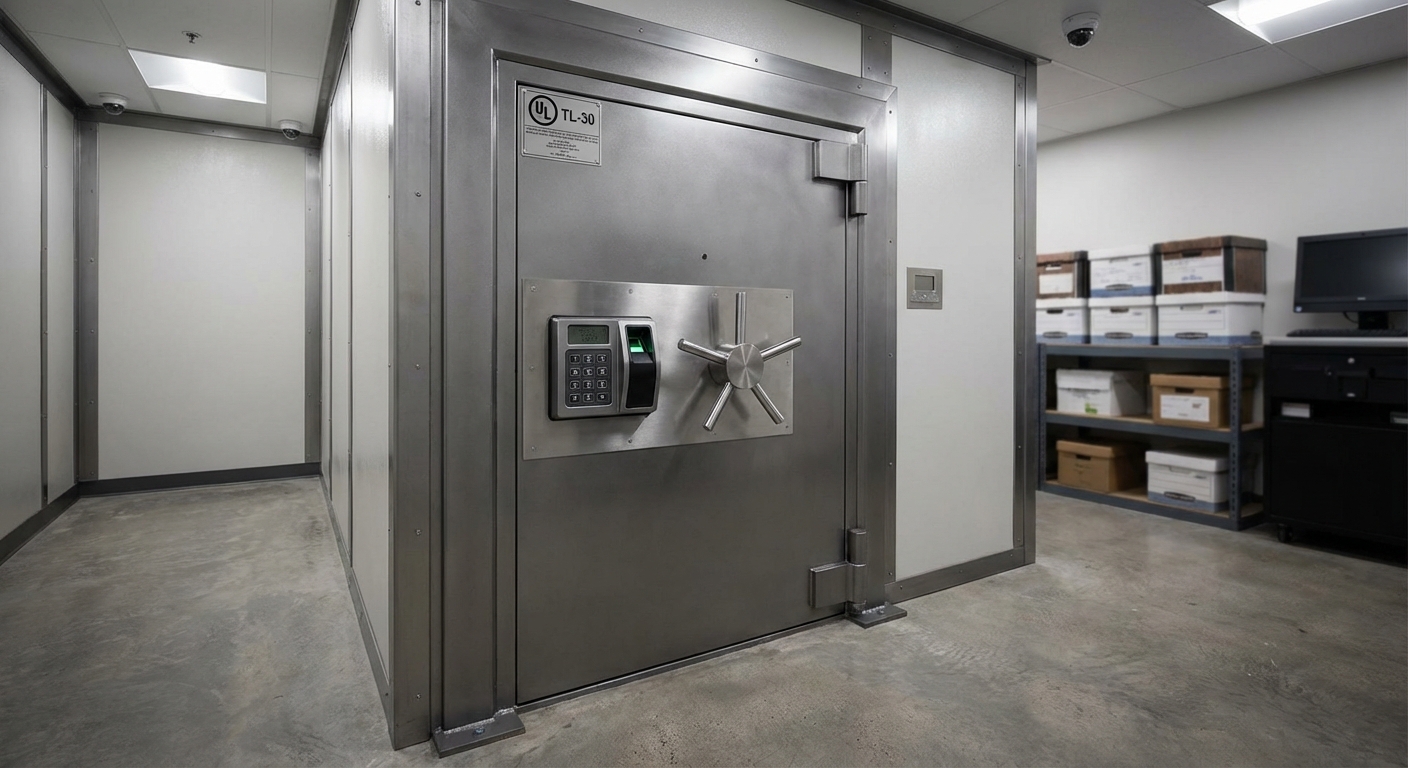
Burglary ratings matter here. A TL-15 rating means the safe resisted attack for fifteen minutes using common tools. TL-30 doubles that. TRTL-30x6 means thirty minutes of resistance on all six sides using torches and tools. If your safe doesn't have a rating, you're guessing. And guessing doesn't hold up in court or with your insurer.
Locking Mechanisms That Actually Work
Locks are where most safes either prove themselves or fall apart. Mechanical locks are reliable and don't need power, but they're slower and harder to audit. Electronic locks give you speed, access logs, and the ability to change codes without a locksmith. Biometric systems add another layer by requiring a fingerprint or scan, which is harder to share or steal.
Here's what separates the good from the weak:
- Mechanical combination locks are durable and immune to power loss, but they're vulnerable if the combo gets shared or written down
- Electronic keypads offer faster access and detailed logs of who opened the safe and when
- Biometric scanners eliminate the risk of stolen codes and provide the tightest access control
- Dual-control systems require two people to open, which is critical for high-value environments
- Time-delay locks prevent immediate access, even with the right credentials, which stops smash-and-grab attempts
Fire and Water Resistance Aren't Optional
A safe that survives a break-in but melts in a fire isn't much of a safe. Fire ratings tell you how long the interior stays below a certain temperature — usually 350°F for paper documents. UL Class 350 for one hour is standard. Class 150 protects digital media. If you're storing hard drives, USB sticks, or anything electronic, you need that lower threshold.
Water resistance is just as critical, especially in Fort Worth where storms and flooding can hit hard. A safe with a waterproof seal keeps contents dry even if the building takes on water. Without it, you're looking at ruined documents and corroded electronics, even if the fire never touched them.
Where Most Businesses Leave Gaps
Even a high-end vault can fail if it's not used right. Poor installation is the most common mistake. A safe that isn't anchored to the floor or wall can be carried out whole. It doesn't matter how thick the steel is if someone loads it onto a dolly and takes it to a workshop.
Access control is the other weak spot. Too many people with the combination, codes written on sticky notes, or biometric data that never gets updated — all of that turns your vault into a suggestion instead of a barrier. If more than three people can open it, you're increasing risk. If you're not logging entries, you have no accountability.
When Old Equipment Becomes a Liability
Safes don't last forever. Locks wear out. Hinges sag. Seals crack. And older models lack the features that modern threats require. If your vault predates electronic locks, biometric scanners, or alarm integration, it's probably not keeping up with current risks.
Upgrading isn't just about buying something new. It's about matching your security to the value of what you're protecting and the sophistication of the threats you face. A safe that worked in 2010 might not cut it now, especially if you've grown, moved locations, or started handling more sensitive material.
Integration with Your Broader Security System
A vault shouldn't operate in isolation. The best setups tie into your alarm system, surveillance cameras, and access logs. If someone tries to force the door, the alarm should trigger. If the safe opens outside business hours, you should get a notification. If there's a pattern of failed access attempts, that's a red flag worth investigating.
Here's what a fully integrated system looks like:
- Safe access logs sync with your security software so you can track every entry
- Alarm triggers connect to local monitoring or law enforcement for immediate response
- Cameras cover the safe's location with clear sight lines and tamper-proof mounts
- Remote notifications alert you to any unusual activity, even when you're off-site
- Backup power keeps electronic locks and alarms running during outages
Maintenance Keeps Everything Functional
Locks jam. Bolts seize. Electronics glitch. If you're not servicing your safe regularly, you're setting yourself up for a failure at the worst possible time. Annual inspections by a certified locksmith or safe technician catch problems before they become emergencies.
Maintenance also includes updating access credentials, testing alarm integration, and verifying that fire and water seals are still intact. It's not glamorous work, but it's the difference between a vault that works and one that just looks like it does.
Documentation Backs Up Your Claims
If something does go wrong — theft, fire, or forced entry — your insurer will want proof that your safe met their requirements. That means keeping records of the make, model, ratings, installation, and maintenance. Without documentation, you're fighting an uphill battle to recover losses.
Here's what you should have on file:
- Original purchase receipt and specifications showing burglary and fire ratings
- Installation records proving the safe was anchored and positioned correctly
- Maintenance logs from certified technicians showing regular service
- Access logs if your system tracks entries electronically
- Photos of the safe's location and condition for insurance purposes
Knowing When to Call in an Expert
If you're unsure whether your current setup is adequate, or if you're planning an upgrade, bring in a professional. Safe and vault specialists can assess your risks, recommend equipment that matches your needs, and handle installation so it's done right the first time.
They'll also help you navigate insurance requirements, which often mandate specific ratings or features. Cutting corners here doesn't save money — it just shifts the cost to the back end when something goes wrong and your claim gets denied. Contact our team to discuss your commercial security needs and ensure your assets are properly protected.
Security That Holds Up Under Pressure
Protecting your assets isn't about buying the biggest safe or the fanciest lock. It's about understanding the threats you face and building a system that actually stops them. Fort Worth businesses that take security seriously don't wait for a breach to find out their vault wasn't up to the task. They test, maintain, and upgrade before the pressure hits. Because once the door's been forced or the contents are gone, no amount of regret brings them back.
Let's Secure Your Business Together
We know how much is riding on the security of your Fort Worth business, and we're here to help you stay one step ahead of every threat. If you're ready to upgrade your safe, need an expert assessment, or just want peace of mind that your assets are truly protected, let's talk. Call us at 888-477-5019 or get a free quote and let’s make sure your security stands up to anything that comes your way.
‹ Back
Recent Posts
-
-
-
What Causes Commercial Alarm Systems in Fort Worth to Fail?
August 11, 2026
-
-